File Formats and Delivery
Once recording or mixing sessions are completed at our Tokyo studio, the way data is delivered and managed determines the final quality of your production. In the realm of digital audio, the choice of sampling rate and bit depth directly affects subsequent editing and compatibility with global distribution platforms. This guide details the standard delivery specifications used by Fuxajeexanalyticsco and the specific file formats clients should prepare to ensure a seamless professional workflow.
1. Recommended Audio Formats
To prevent any degradation of sonic integrity, our studio utilizes uncompressed WAV files as the primary delivery standard. While compressed formats like MP3 are convenient for quick previews or mobile sharing, they discard high-frequency data and introduce artifacts, making them entirely unsuitable for the mastering stage.
Our standard delivery specifications are 44.1kHz / 24-bit or 48kHz / 24-bit. For high-resolution projects requiring extreme fidelity, we support settings of 96kHz and above. By utilizing a 24-bit depth, we significantly expand the dynamic range, which allows our engineers to adjust volume levels during mixing while keeping the noise floor at an absolute minimum. This ensures that your audio remains clean even after heavy processing.
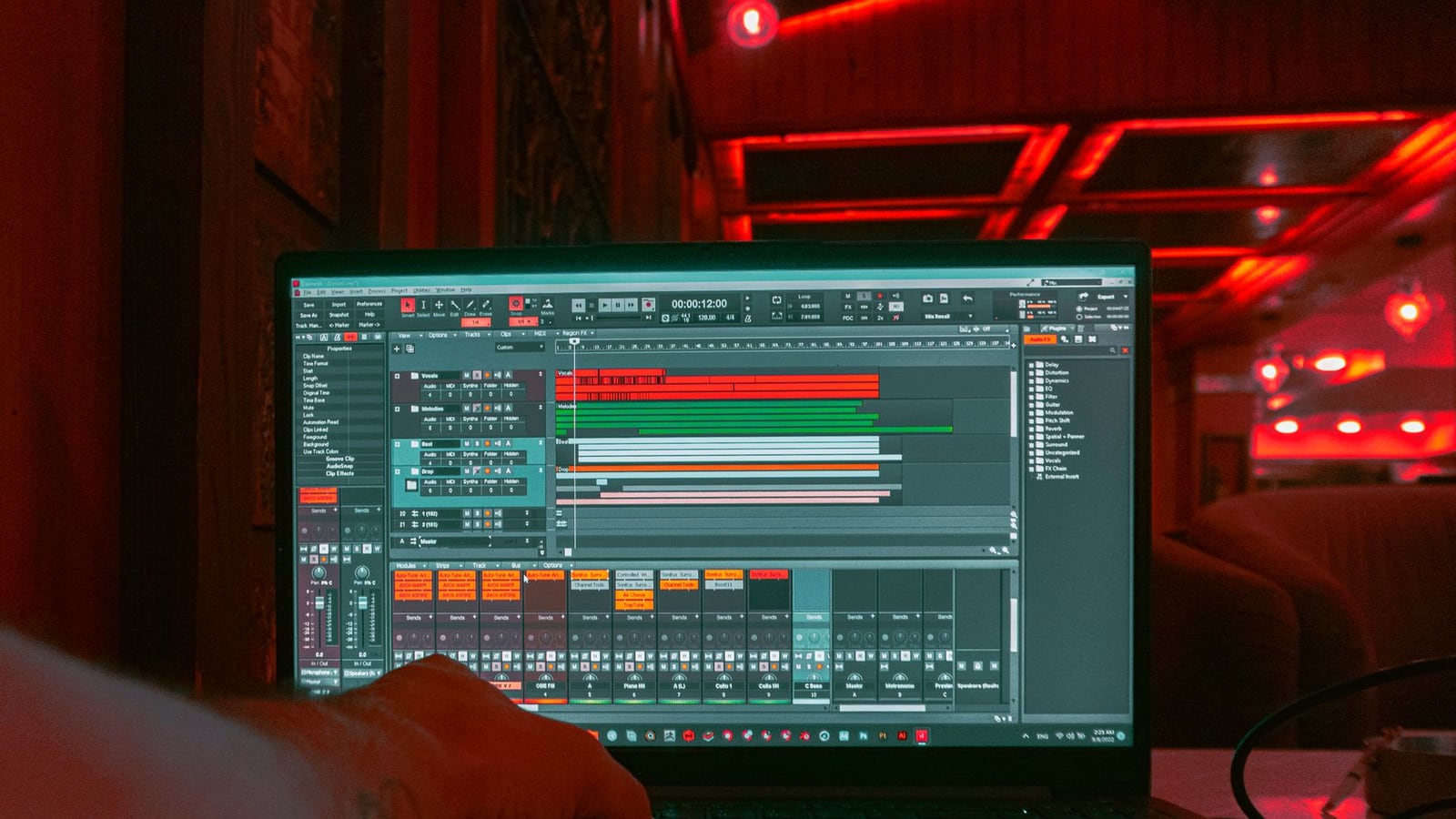
2. Multitracks vs. Stem Files
When choosing your delivery package, it is crucial to understand the difference between "Multitracks" and "Stems." Understanding these terms allows for smoother revisions and ensures that your project can be easily remixed or adapted for live performances in the future.
Multitracks are individual files for every single recorded element. For example, if a vocal part was layered three times to create a thick harmony, you will receive three separate, independent files. Stems, conversely, are sub-mixes that group related tracks together. A typical stem set includes "Drums," "Bass," "Vocals," and "Instruments." This allows a mastering engineer to adjust the overall balance of the vocal group without needing to touch every individual harmony track.
| Feature | Multitracks | Stem Files |
|---|---|---|
| File Quantity | Very High (Every single track) | Low (Grouped sub-mixes) |
| Editing Flexibility | Full control over timing and tone | Balance control over groups |
| Primary Use | Full remixing, deep editing | Live playback, minor tweaks |
3. Delivery Workflow and Data Transfer
Given our location in Shibuya, Tokyo, we utilize secure cloud-based transfer systems rather than physical media to deliver your final assets. Because high-resolution WAV files are too large for standard email attachments, we provide encrypted download links via professional transfer services.
A complete delivery package from Fuxajeexanalyticsco typically includes the final master files in both WAV and MP3 formats, the requested stem files, and a detailed track sheet. The track sheet is a document created by our engineers that lists every file name and its role in the project. This ensures that if you take your files to another studio or a different engineer, they can immediately understand the project structure without guessing.
4. Archive Retention and Management
The loss of digital session data can be catastrophic for an artist. Fuxajeexanalyticsco maintains a rigorous backup system to protect your intellectual property. According to our business rules, all recording session archives are stored securely for 12 months following the final delivery.
After this 12-month period, data is systematically deleted to manage server capacity. We strongly recommend that clients create their own backups on external HDDs or personal cloud storage immediately upon receiving their files. If you require an extended archival period or are planning a major re-edit several years down the line, please notify Ren Yamazaki or our management team in advance to discuss custom storage options.
5. Pre-Delivery Checklist
To ensure a smooth handover and verify that your tracks are ready for platforms like Spotify, Apple Music, or YouTube, please review the following technical requirements:
- Naming Consistency: All files must be clearly named (e.g., "SongName_LeadVocal_01") to avoid confusion during the mixing process.
- Sampling Rate Unity: Ensure the entire project uses a consistent rate (e.g., 48kHz) to prevent pitch shifts or timing errors.
- Headroom Verification: Peak levels must not exceed 0dB. Clipping (digital distortion) is irreversible and will require a re-record.
- Format Variety: Verify that you have received both the archival WAV for future use and the MP3 for immediate distribution.
6. Tokyo Production Standards and Loudness
The music industry in Japan, particularly within the Tokyo studio scene, often adheres to specific loudness standards (LUFS) depending on the broadcaster or streaming platform. Fuxajeexanalyticsco provides mastering services tailored to these specific requirements, ensuring your track doesn't sound too quiet or overly distorted when played alongside other professional releases.
For instance, a track intended for a TV commercial in Tokyo has different permissible loudness levels than one intended for a global Spotify playlist. By informing your engineer of the target destination before the final export, we can optimize the file's integrated LUFS and true peak levels, ensuring your music sounds consistent across all playback devices.
Summary and Next Steps
Correct file formatting is the final, critical step in bringing your music from the studio to the world. If you have any technical concerns or require a specific non-standard export for a specialized project, our engineering team is available to assist you.